Your Friendly Guide: Spotting Problems with Your HVAC System
Introduction: Why Knowing Your HVAC System’s Health Matters
What You’ll Learn Here
We're going to break down the common signs that your heating, ventilation, and air conditioning (HVAC) system might be struggling. You’ll find out why these signs matter, and we'll give you practical tips for dealing with them. You'll learn how to recognize warning signs like higher energy bills, uneven temperatures, strange noises, and short cycling. Plus, we'll help you figure out the best way to cut costs and stay comfy. This intro is just the start; we'll dive into more details on diagnosing issues and how to maintain and upgrade your system in the sections ahead.
Who This is For
This guide is perfect for homeowners, property managers, and small business owners who depend on HVAC systems for comfort. It’s also great for anyone who needs to know when to fix, maintain, or replace equipment. If you’re responsible for energy bills or indoor air quality, these insights will help you make smart decisions and catch problems early.
How We Use Facts and Local Insights
We’ve gathered industry data, energy standards, and the latest trends in HVAC tech for this guide. You’ll find practical examples and references so you can apply these tips to your own situation. If you live in a chilly place like Chicago, we'll point out what you need to know for winter performance and durability.
Why Your HVAC System’s Efficiency Matters
Energy and Cost Impacts
An HVAC system that's not running well can make your energy bills skyrocket. In many places, heating and cooling are the biggest energy consumers. Fixing efficiency issues helps cut down waste and saves money for both homes and businesses.
Comfort and Air Quality
Efficiency isn’t just about saving energy—it’s also about keeping you comfy and making sure the air you breathe is clean. Systems that don’t distribute air properly can leave you with hot or cold spots and poor ventilation, which can worsen allergies. Making your HVAC system run better can really boost indoor air quality and comfort.
Keeping Your System Running and Valuable
Taking care of your system means fewer big failures and a longer lifespan. Regular check-ups and timely upgrades can even boost your property’s resale value. Studies show that putting in a high-efficiency system can increase home value by about 5-7%. So, putting effort into your HVAC system is really an investment in your home.
Common Warning Signs Your HVAC System Needs Help
High Energy Bills
If your heating or cooling bills are suddenly higher without a change in weather or how you use your system, that’s a big red flag. Compare your bills from this year to last year to spot any trends. If the bills are rising but you’re using the system the same way, it’s time to take a closer look.
Temperature Problems
When some rooms are much hotter or cooler than others even though the thermostat is set the same, your system might be having trouble distributing air. This could be due to duct leaks, blocked vents, or issues with fans. Temperature swings can make your system work harder, wearing it down and using more energy.
Running Too Long or Too Short
If your system is constantly running but not reaching the set temperature, or if it keeps turning on and off, it could mean trouble. This might be due to sizing problems, refrigerant issues, or thermostat faults. Both situations can wear out your system and waste energy.
Weird Sounds and Smells
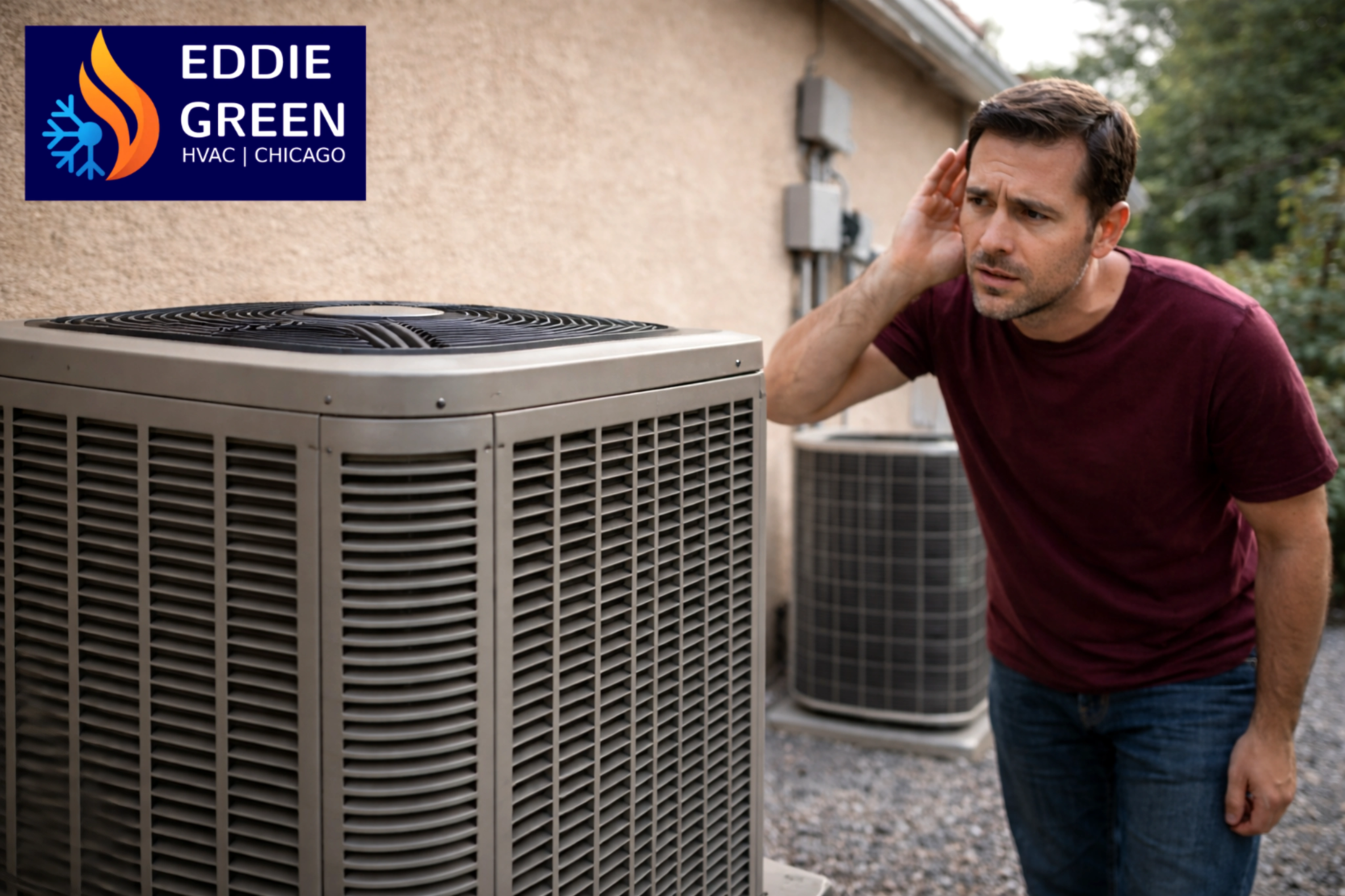
Strange noises like grinding or rattling often mean mechanical problems, while odd smells can point to mold or electrical issues. It’s a good idea to address these quickly to prevent more damage and get your system back in shape.
Why Your HVAC System Might Be Struggling
Lack of Regular Maintenance
Skipping regular upkeep is a major cause of problems. Dirty filters and coils force your system to work harder. Regular maintenance cuts down on surprise breakdowns and keeps your system running smoothly.
Getting Old and Worn Out
As your HVAC unit gets older, it naturally loses some of its power. Most residential systems last around 12 years, but after that, they might not keep up with efficiency standards and could need more repairs.
Installation or Sizing Mistakes
Systems that are the wrong size for your space struggle to keep things comfortable. Poor installation can also lead to ongoing issues. It’s important to have a qualified technician handle the installation to make sure everything runs as it should.
Ductwork and Building Concerns
Leaky ducts mean less air reaches your rooms, so your system runs longer and uses more energy. A drafty building can also force your system to work overtime. Fixing these issues can give you big gains in performance.
How to Check for HVAC Problems: A Step-by-Step Guide
Start with Bills and Thermostat Checks
Look at your utility bills for the last year to find any unusual spikes. Check your thermostat settings to make sure they’re right for your schedule. Doing this helps you figure out if the problem is due to behavior, weather, or something technical.
Do Some Basic Checks
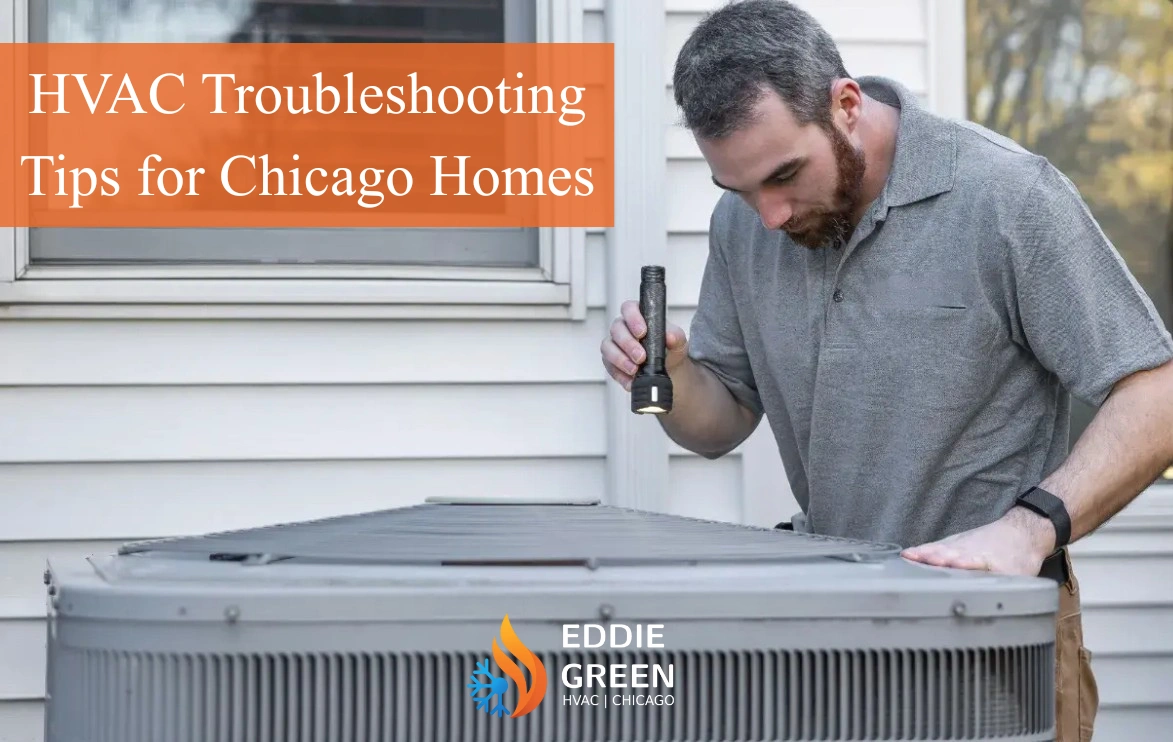
Check air filters, outdoor units, and ducts for dirt or damage. Change out clogged filters and clear away debris around outdoor units. Watch how your system starts and stops to spot any unusual delays or cycles.
Check Temperatures and Airflow
Use a thermometer to measure the temperatures of air coming in and going out. If there’s a big difference, it might mean airflow or refrigerant issues. Consider hiring a pro to do detailed airflow tests if needed.
Use Tools and Get Expert Opinions
Advanced tools can check refrigerant levels and electrical issues, but they require a pro’s touch. Certified technicians can spot leaks and check your system’s health with special equipment. When in doubt, get a professional inspection to avoid misdiagnosis.
Fixing, Maintaining & Upgrading Your System
Regular Maintenance Checklist
Set up a schedule to change filters every 1-3 months, clean coils annually, and lubricate parts. Getting a biannual service check—in spring for cooling and fall for heating—catches problems early and can save you money on repairs.
Common Repairs to Boost Performance
Fixing or replacing worn parts like belts or sealing duct leaks can quickly restore performance. Some repairs need a licensed technician to ensure safety and effectiveness.
When to Replace or Upgrade
If your system is old, needs frequent repairs, or doesn’t meet current standards, it might be time for a new one. New models save energy and can even increase property value. A contractor can help you weigh the costs and benefits.
Smart Controls and Zoning for Better Results
Adding smart thermostats and zoning can cut down on energy use by targeting heating and cooling where it’s needed. These controls also let you monitor your system remotely and spot issues sooner.
Trends and Innovations Affecting HVAC Systems
Rising Energy Standards
Energy standards keep getting stricter, making high-efficiency equipment the new norm. Knowing these standards helps you choose the right equipment for the long haul. Check out updates from the U.S. Department of Energy.
AI and Better Fault Detection
Artificial intelligence is making its way into HVAC systems, helping to detect faults and adapt to changing conditions. AI can improve air quality and reduce energy use by adapting to indoor conditions. Learn more about AI's impact on arXiv.
Environmentally Friendly Refrigerants
There's a push to use refrigerants that are better for the environment. This affects what equipment you choose and how you maintain it. Stay informed about these changes to keep your system effective and compliant.
Energy Storage and Predictive Controls
New strategies like predictive controls allow systems to use energy more wisely. This is mostly seen in commercial settings but is starting to become available for homes too. For more on predictive controls, explore studies on arXiv.
Case Studies and Local Tips
Research on Central HVAC Optimization
Studies show that using advanced controls in central HVAC systems can save money and improve operations. These findings guide contractors in recommending system upgrades.
Tips for Chicago Residents
In Chicago, keeping warm during long winters is crucial. Make sure your furnace and insulation are in good shape. Local contractors can help you with Chicago-specific strategies to prepare for the cold.
The Role of HVAC Contractors
Contractors are vital for diagnosing issues, making repairs, and doing upgrades safely and correctly. They can help you navigate incentives and changes to get the most out of your upgrades.
Working with Contractors
Before a service visit, document any issues and gather utility bills. Clear communication helps technicians diagnose problems efficiently. Ask for written estimates and energy savings expectations to make informed decisions.
FAQs and Troubleshooting
When Should I Replace My HVAC System?
Most systems last around 12 years. If yours is nearing that age and needs frequent repairs, replacing it might be more cost-effective. Consider efficiency gains and available rebates when deciding.
How Often Should I Schedule Maintenance?
Twice a year is a good rule of thumb—once in the spring and once in the fall. Regular maintenance helps catch small problems before they become big ones.
Can Smart Thermostats Fix Inefficiency?
Smart thermostats can help reduce wasted energy and improve comfort, but they’re not a replacement for necessary repairs or proper system sizing. They’re part of a broader strategy to improve efficiency.
When to Call a Professional?
Call a technician if you notice major issues like big temperature swings, frequent cycling, strange noises, or persistent high bills. Pros have the tools and expertise to get your system running smoothly again.
Next Steps
Easy Things You Can Do Now
Start by checking or changing filters, clearing debris around outdoor units, and reviewing thermostat settings. Compare your energy bills to see if there are any unusual patterns. These small steps can help restore basic performance.
When to Get Professional Help
If your DIY efforts don’t solve the problem, or if you spot serious issues, it’s time to call in a professional. A certified technician will do a thorough check and give you options for repairs or upgrades.
Contact Eddie Green HVAC for Support
Ready to get professional help in Chicago? Reach out to Eddie Green HVAC for diagnosis, maintenance, or upgrades. We have plans for routine maintenance and can handle repairs and installations for furnaces, boilers, and air conditioners. Visit our residential maintenance page for more info. For specific heating problems, check out our furnace repair services. For cooling issues, see our AC repair and installation services.
Useful Resources
For more on federal energy standards, visit the U.S. Department of Energy. For indoor air quality tips, check out the EPA’s resources.
Wrapping Up
Key Points to Remember
Recognizing signs of HVAC trouble helps you act before things get worse. Regular maintenance, timely repairs, and strategic upgrades keep your system running well. Stay on top of trends like stricter energy standards and AI diagnostics by working with knowledgeable contractors.
Make a Plan
Start with simple checks and track your energy use. If problems persist, schedule a professional inspection. Taking care of your system now saves money and keeps you comfy.
Reach Out
Need help? Schedule a consultation with us by calling +1 (224) 857-3327 or emailing info@chicagohvacpro.com. We’ll help you diagnose issues, make repairs, and plan upgrades to keep your system running smoothly.